The Chagu Chagu Umakko parade of Morioka - special episode
Updated: Jun 25

Morioka is the main city of the prefecture of Iwate, Tohoku region. Located in the Northern area and regarded as one of the coldest places of the country, Morioka is the perfect destination for those that want to experience a more traditional Japan, characterized by numerous UNESCO sites, wild nature, and ancient folklore. In 2023 Morioka and the Iwate prefecture have been selected for the second place of the “52 places to visit" list of the New York Times, an achievement proudly remembered by those living in the area.
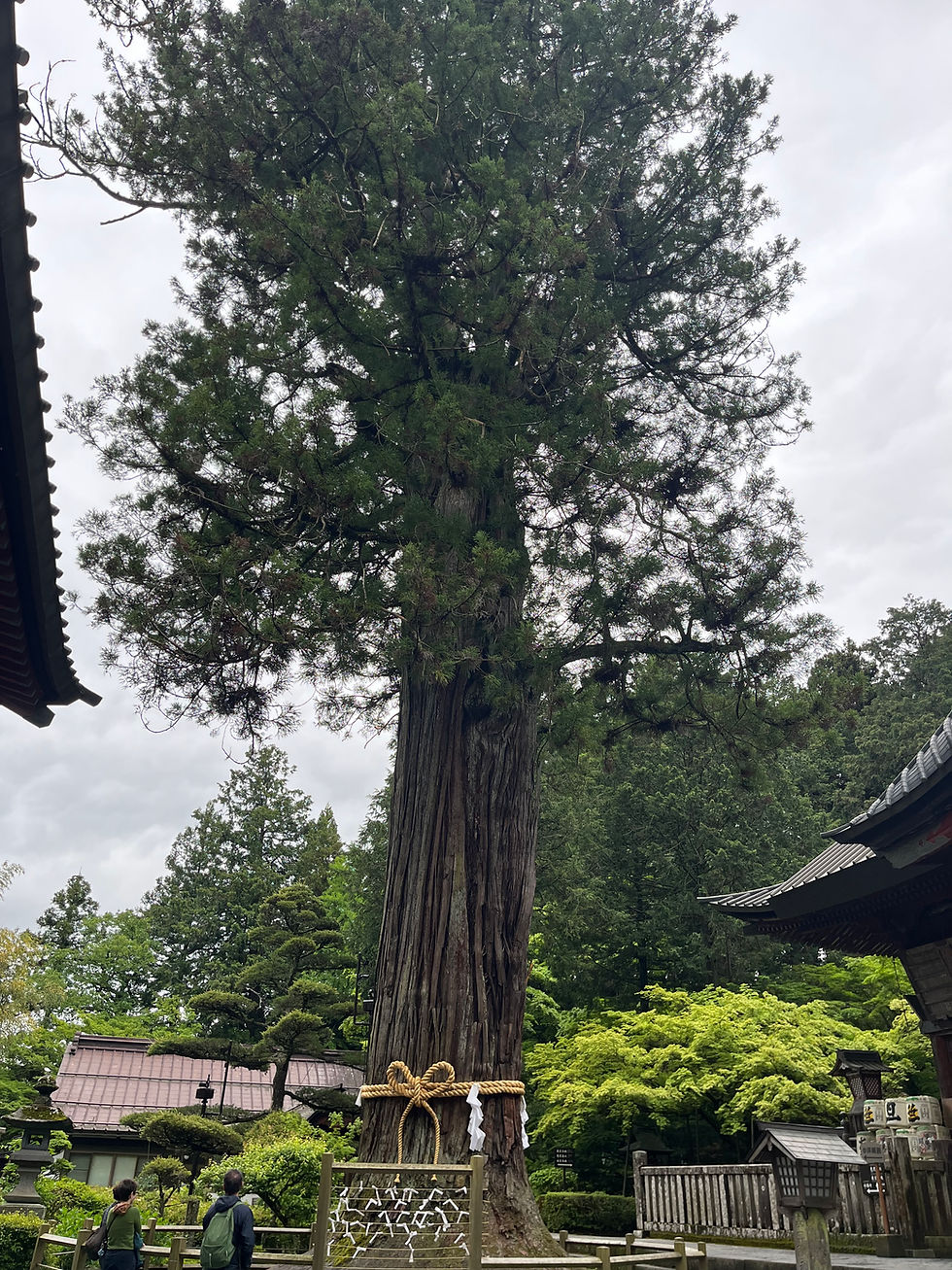
This cultural and natural destination has also been part of my personal list of places I advise friends and family to visit when travelling to in Japan. In my most recent visit to Morioka, I had the opportunity to visit Sozen Shrine at a nearby town. This beautiful shrine is well known for a traditional parade called “Chagu Chagu Umakko” (Jingling Jingling Horse Parade) with ancient origins.
The Iwate prefecture has long been known for the profound relationship between humans and horses. The region can boast high quality horse breeding, as well as the introduction to horse-driven cultivation techniques in the 16th century. Horses have been so central for the region that, in the past, many houses were built to host horses and families under the same roof. Especially in former times, these special animals have been considered as a family member for those living in the area. Keeping in mind these historical facts, we can now look into the legend that led to the birth of this unique parade.
According to a famous local legend, a long time ago there was a horse working in a paddy that suddenly started acting violently and escaped. In his run, he reached the pass of a mountain called Onikori-yama in Takizawa, where he passed away. Villagers then decided to bury his remains and built a small shrine where the grave of the horse was placed. According to the story, this is how Sozen Shrine was originally born. Since the place was born to commemorate a horse, villagers started to decorate their horses and visit the shrine on the Boy’s festival day, the 5th of May, a day also related to horses in the lunar calendar. The purpose was to give the horses a break from work and pray for their health at the shrine.
During the parade, the horses are adorned with a vibrant attire. The origins of this attire is to be found in the ‘Konida’ attire - which was used to adorn horses during Feudal Lord’s parades to Edo, the present Tokyo. The name Chagu Chagu derives from the 700 bells attached to horses and the sound those produce during the parade (in Japanese chagu chagu is an onomatopoeia). In 1996, the sound was named one of the 100 soundscapes of Japan by the Ministry of the Environment.
Today, the parade keeps the tradition and the profound relationship between humans and horses alive. Workshops for the creation of the horses’ attire still happen during the winter, when agricultural work is calmer. However, the date of the parade has been changed: initially, in 1868, it was moved to the 15th of June, and since 2001 the event is celebrated the second Saturday of June. The parade is made up of 60-100 horses that walk 14 kilometers and depart from Sozen Shrine with destination the Hachimangu Shrine of Morioka city.
Since Sozen Shrine is believed to host a horse deity, adorned horses also pay a visit to the shrine on New Year’s Day, to pray for their safety and health, with a small version of the parade. Chagu Chagu Umakko remains as testimony of ancient traditions and legends that honor the deep relationship between humans and horses in the prefecture of Iwate, a connection that continues to be deeply valued and celebrated.


Comments